Read the pattern
Map the shape, location, leaf symptoms, timing, weather, irrigation, and traffic before naming the problem.
Residential lawn field guides
Diagnose lawn symptoms, identify the grass you have, and choose a repair that fits the species, season, and local conditions.
Built for U.S. residential lawns · Evidence checked · No miracle-product shortcuts
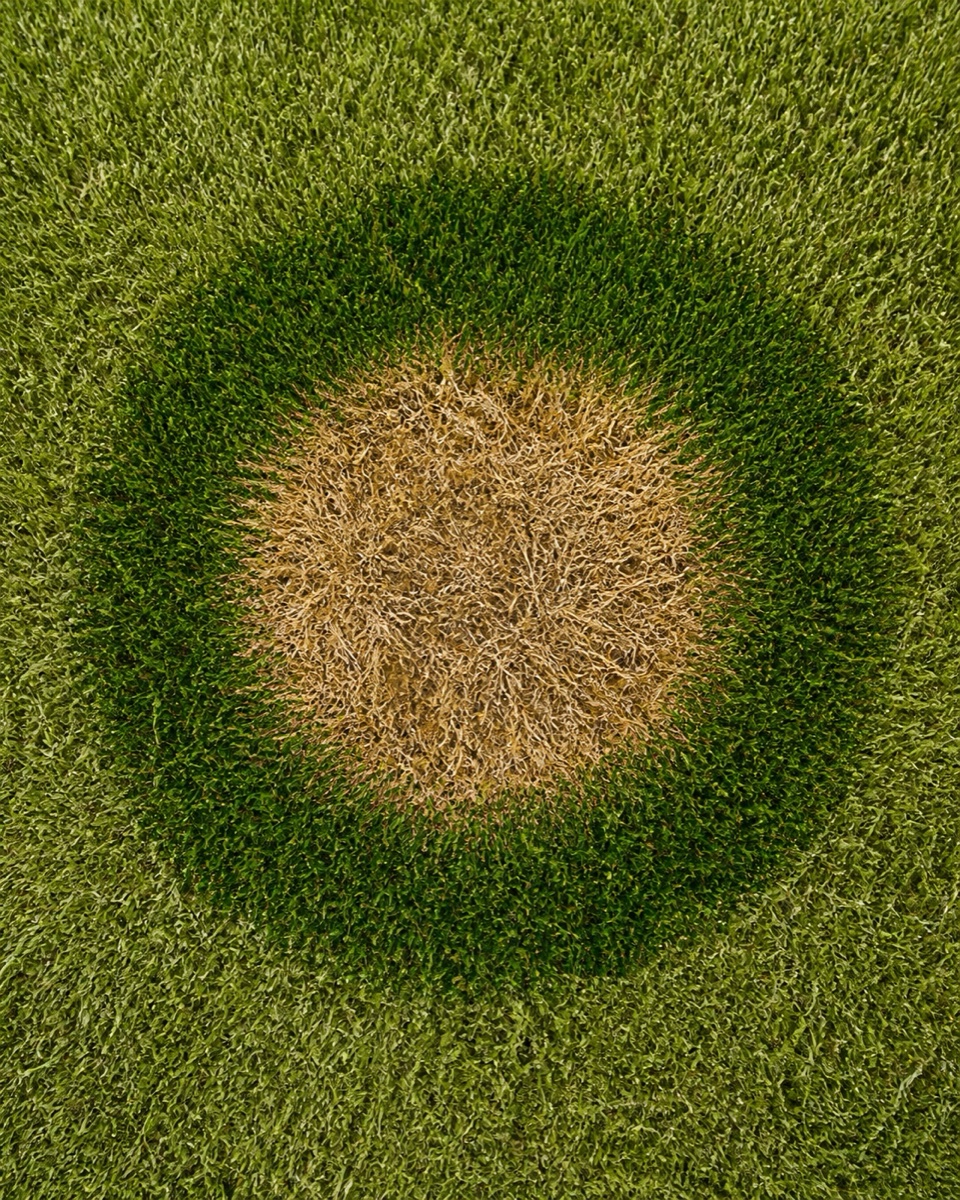
A dead center and darker green ring are clues. Confirm the full pattern before treating.
Explore Yard Rescue Lab
Start with what you see, the grass you grow, or the job you need to finish. Every path leads back to diagnosis before treatment.
Lawn problems
Compare spot pattern, leaf clues, weather, irrigation, traffic, and timing before choosing a treatment.
Explore lawn problems →02Grass types
Cool-season and warm-season lawns establish, spread, and recover in different ways.
Explore grass types →03Lawn repair
Match the repair material to living tissue, grass species, season, and the size of the damaged area.
Explore lawn repair →04Watering
Separate immediate dilution, establishment moisture, and routine irrigation decisions.
Explore watering →05Seasonal care
Plan diagnosis, repair, establishment, and maintenance around active growth and local conditions.
Explore seasonal care →06Decision tools
Use short field checks and decision paths before spending money or applying a treatment.
Explore decision tools →The Yard Rescue method
Brown grass is a symptom shared by very different problems. Work through the site, the plant, and the timing before buying a treatment.
Open the lawn diagnosis path →Map the shape, location, leaf symptoms, timing, weather, irrigation, and traffic before naming the problem.
Separate cool-season from warm-season turf, then narrow the species before choosing repair material.
Decide whether to correct a cause, support recovery, seed, plug, sod, or ask local extension for diagnosis.
Start with grass type
Repair decisions often involve establishment timing, matching seed or sod, and whether the existing turf can recover.
Active spread, cultivar matching, plugs, and sod can matter more than a generic bag of repair seed.
Free field guides
Diagnosis
Use pattern, timing, and a few simple checks before reaching for a treatment.
Read field guide →Grass-specific repair
Why the seed aisle is the wrong place to start—and what to use instead.
Read field guide →Repair plan
A clear sequence for fresh urine, stressed grass, and fully dead patches.
Read field guide →The first paid rescue plan
Diagnose the pattern, match the repair to five common U.S. lawn grasses, and build a prevention routine that stops rebuilding the same patch.
Evidence over folklore
We use U.S. cooperative-extension and primary technical sources, qualify recommendations by grass and season, and tell you when the next step is local diagnosis—not another product.
See our editorial standard →